Inside the factory

Four stages, one roof.

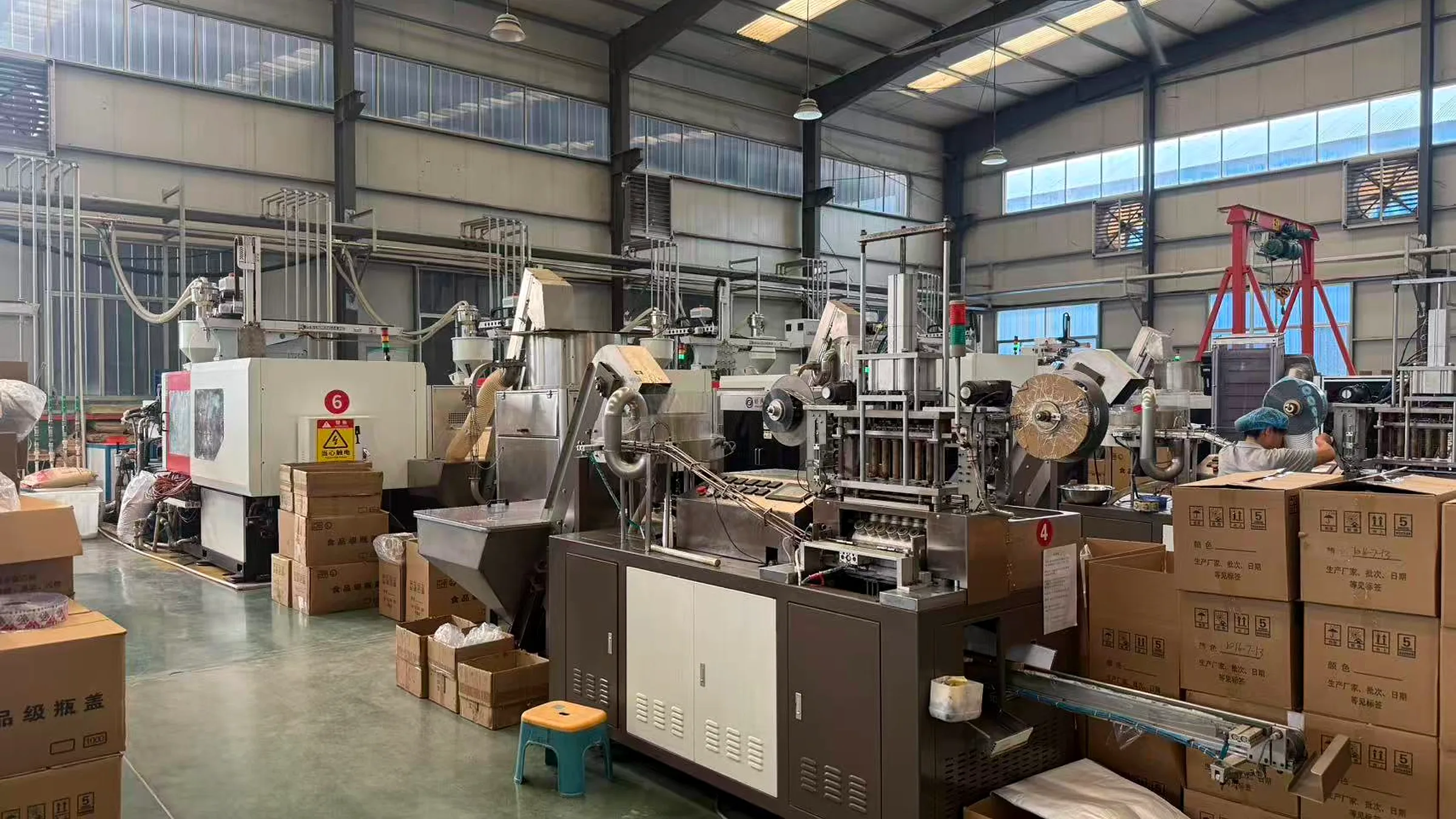
Moulding through to loading is run by our own team on our own equipment — including the ring-slitting machine, which we designed and patented rather than bought in.

4 granted

Patents & IP filings

30/25–60 mm

Neck sizes tooled

5 segments

Food & beverage markets served

3 / 7 days

Design / physical sample

Production line

How a cap actually gets made.

Every stage below has a check that has to pass before the work moves on. These are the points where quality is decided, not the points where it is inspected at the end.

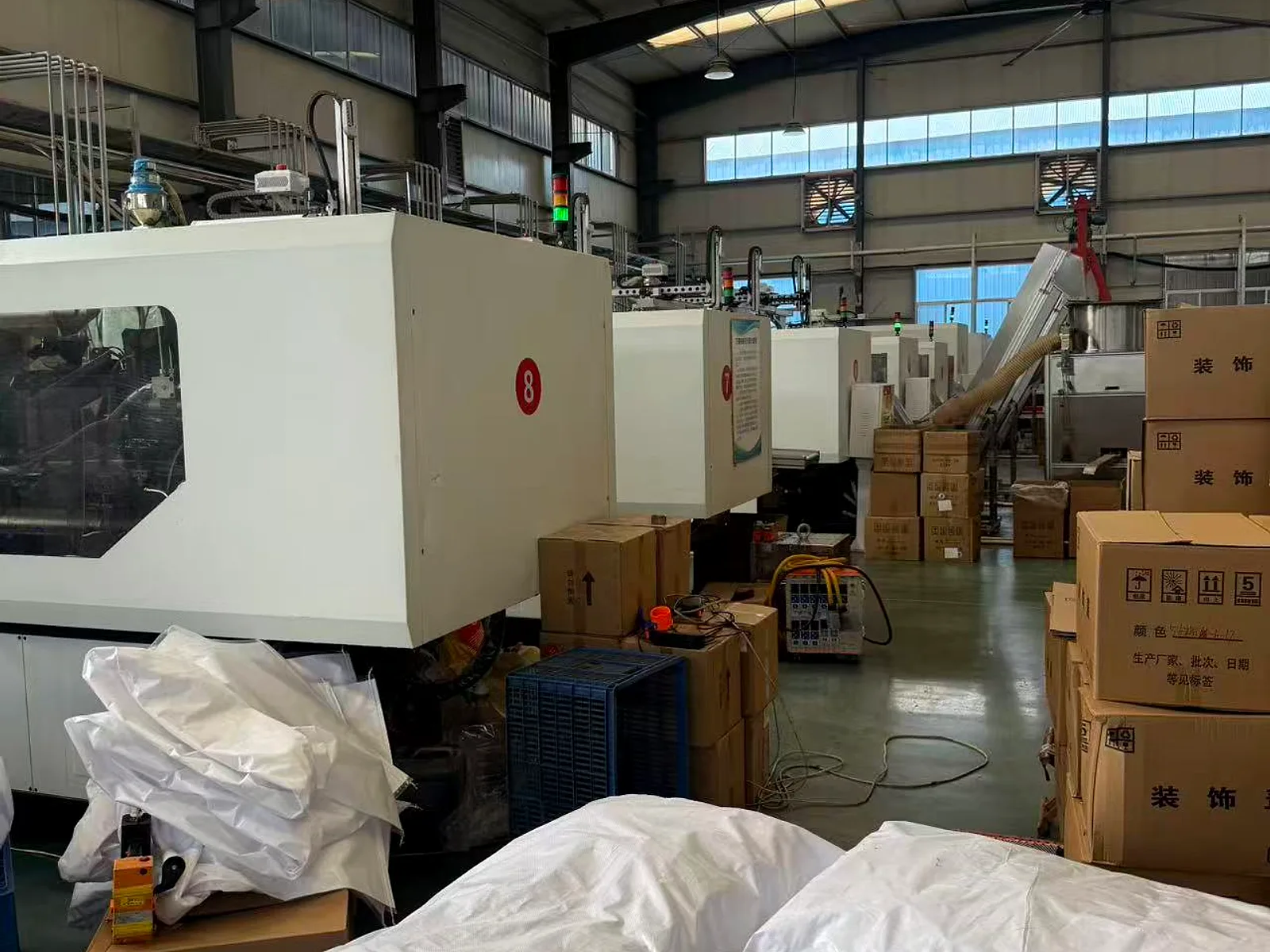
Injection moulding machine running with resin sacks staged alongside
STAGE 01

Injection moulding

Virgin food-contact polypropylene or polyethylene is dried, fed and moulded into cap shells, handles and preforms. The tool is the thing that decides whether the cap fits your bottle, so the first shells off it get measured before the run is released.

  • Resin grade and batch recorded against the order
  • First-off shells gauged against the approved drawing
  • Shot weight monitored through the run
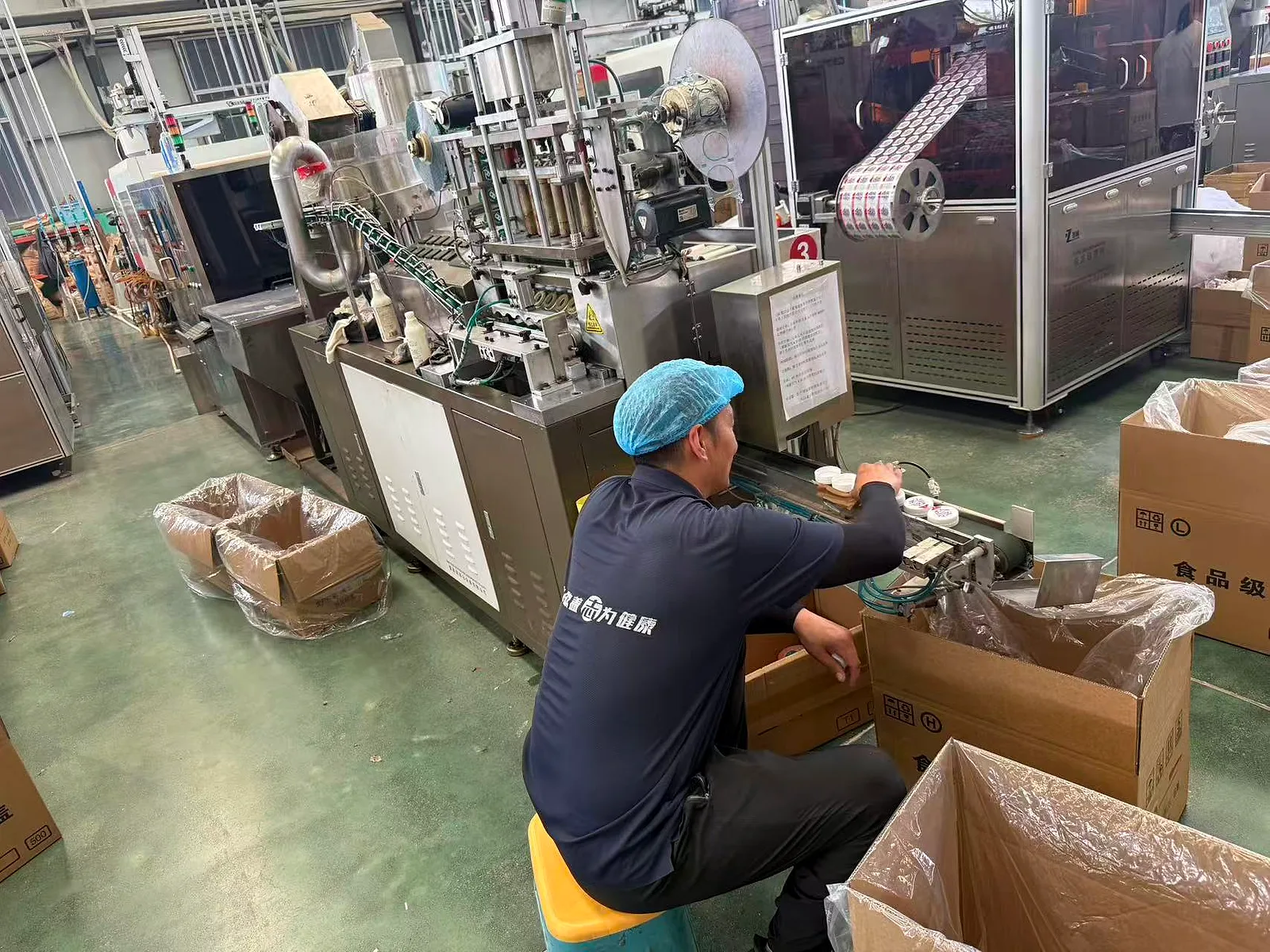
Operator working at the automated tamper-ring slitting and assembly machine
STAGE 02

Tamper-ring slitting

The tamper-evident band is cut on slitting equipment we designed and hold a patent on (ZL 2022 2 2829413.3). Bridge depth is the whole game here: too deep and the ring breaks in the carton, too shallow and it spins instead of snapping. Running our own machine is why we can adjust it rather than live with it.

  • Bridge depth checked at set-up and through the run
  • Band separation tested on samples pulled from the line
  • Liner or gasket seated where the model calls for one
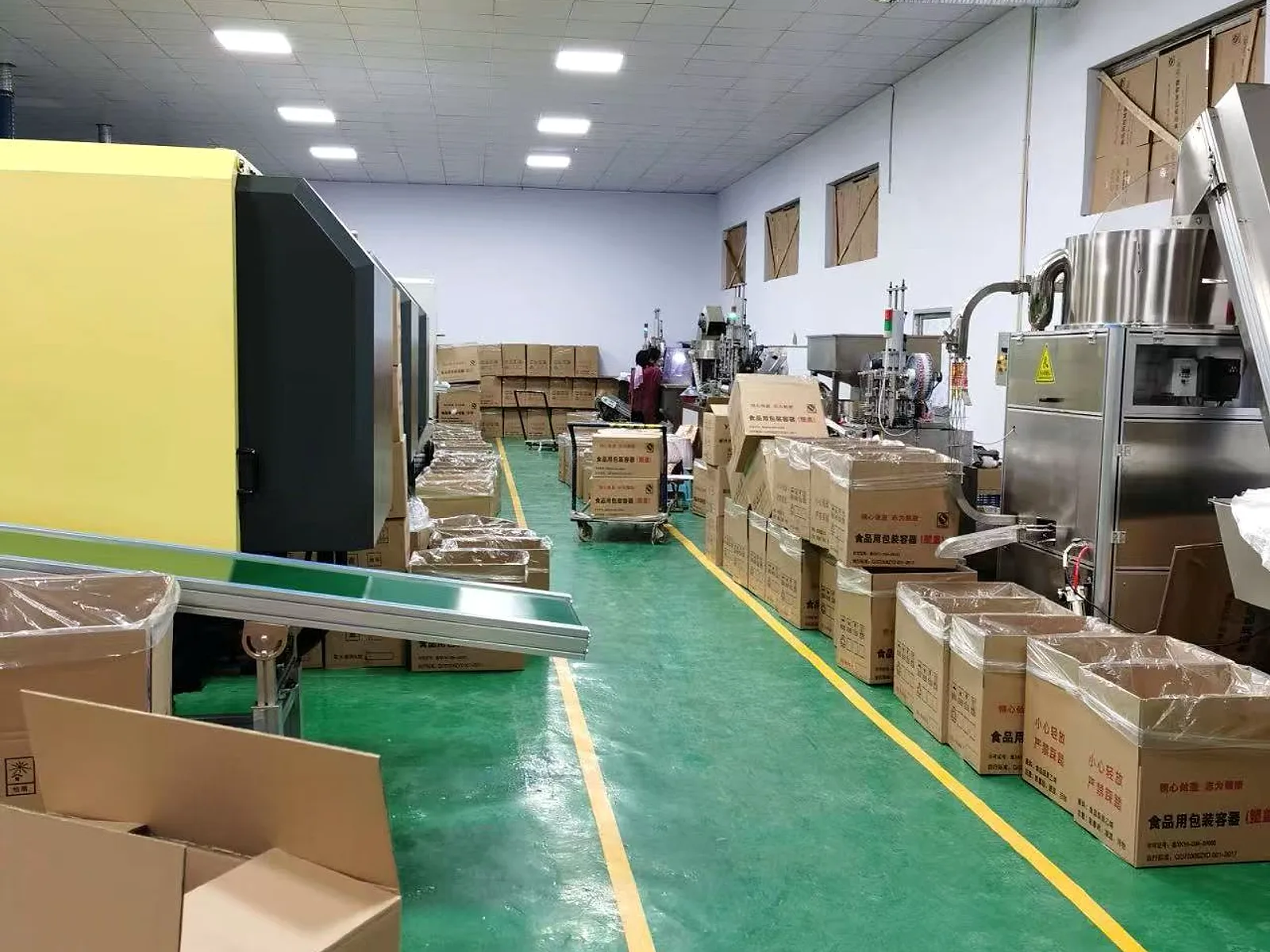
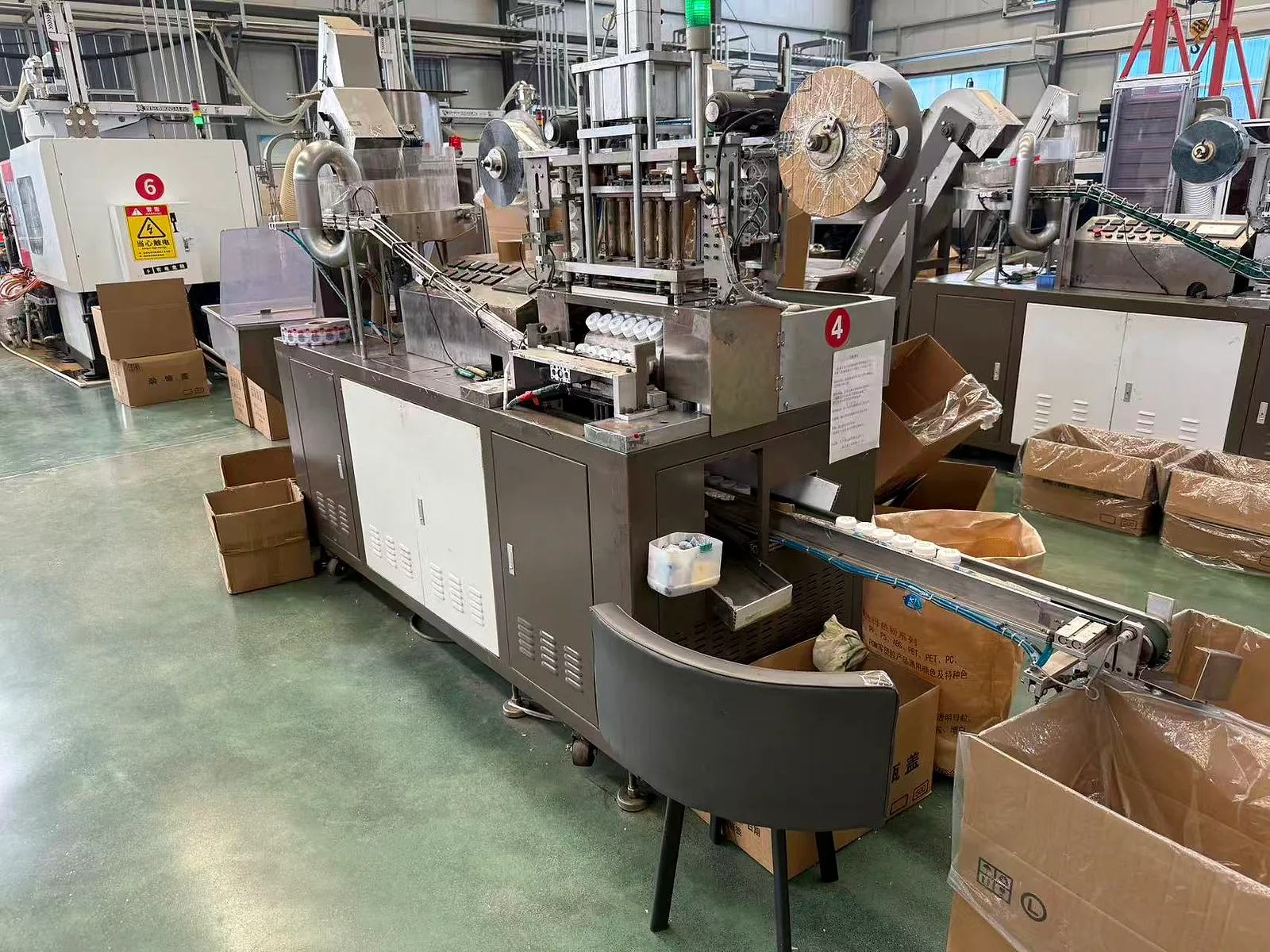
Cap finishing line with automatic output conveyor feeding collection cartons
STAGE 03

Printing & finishing

Top printing runs to your approved artwork, then finished caps come off the conveyor into collection trays. Colour is matched from masterbatch against a physical reference, not from a screen — screens lie about plastic.

  • Print position and colour matched to the approved sample
  • Ink cure checked before caps are collected
  • Visual sort for short shots, flash and contamination
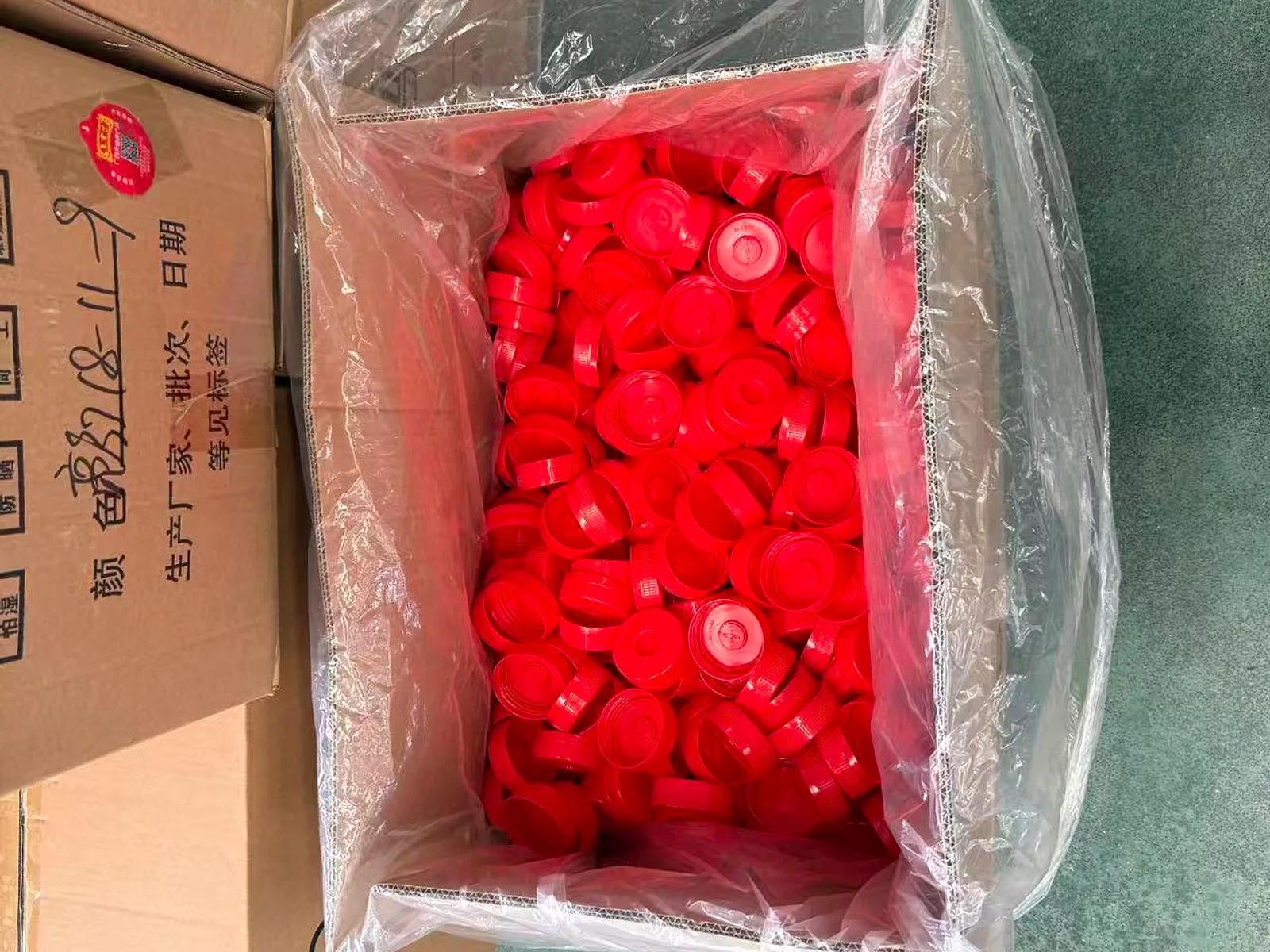
Export carton with a sealed polythene liner being filled with red bottle caps
STAGE 04

Bagging, cartoning & loading

Caps go into a sealed PE liner before the carton closes, which is what keeps dust and moisture off them between our floor and your filler. Cartons are marked to your format and the packing list is reconciled against the invoice before the truck leaves.

  • Liner sealed before the carton is closed
  • Piece count per carton verified
  • Carton marking matched to the buyer's format

Audits and visits

The factory is open to your inspectors.

Come and look, or send someone. If travel is not practical we will walk the line on a video call — and we would rather do that than have you take a photo gallery on trust.

Buyer audits

Come to the floor in Zhoucun. We will show you the moulding cells, the slitter and the warehouse — including the parts that are not photogenic.

Third-party inspection

SGS, Intertek, BV or your own appointed agency, at pre-production, during the run or pre-shipment. We have not been audited by any of them yet.

Video walkthrough

A live call from the line running your order. Ask us to point the camera anywhere.

Trade fairs

We exhibit at the Chinese drinking water industry conferences each year — the easiest place to handle the range before committing.

Beyond the line

Warehouse, despatch and the office that answers you.

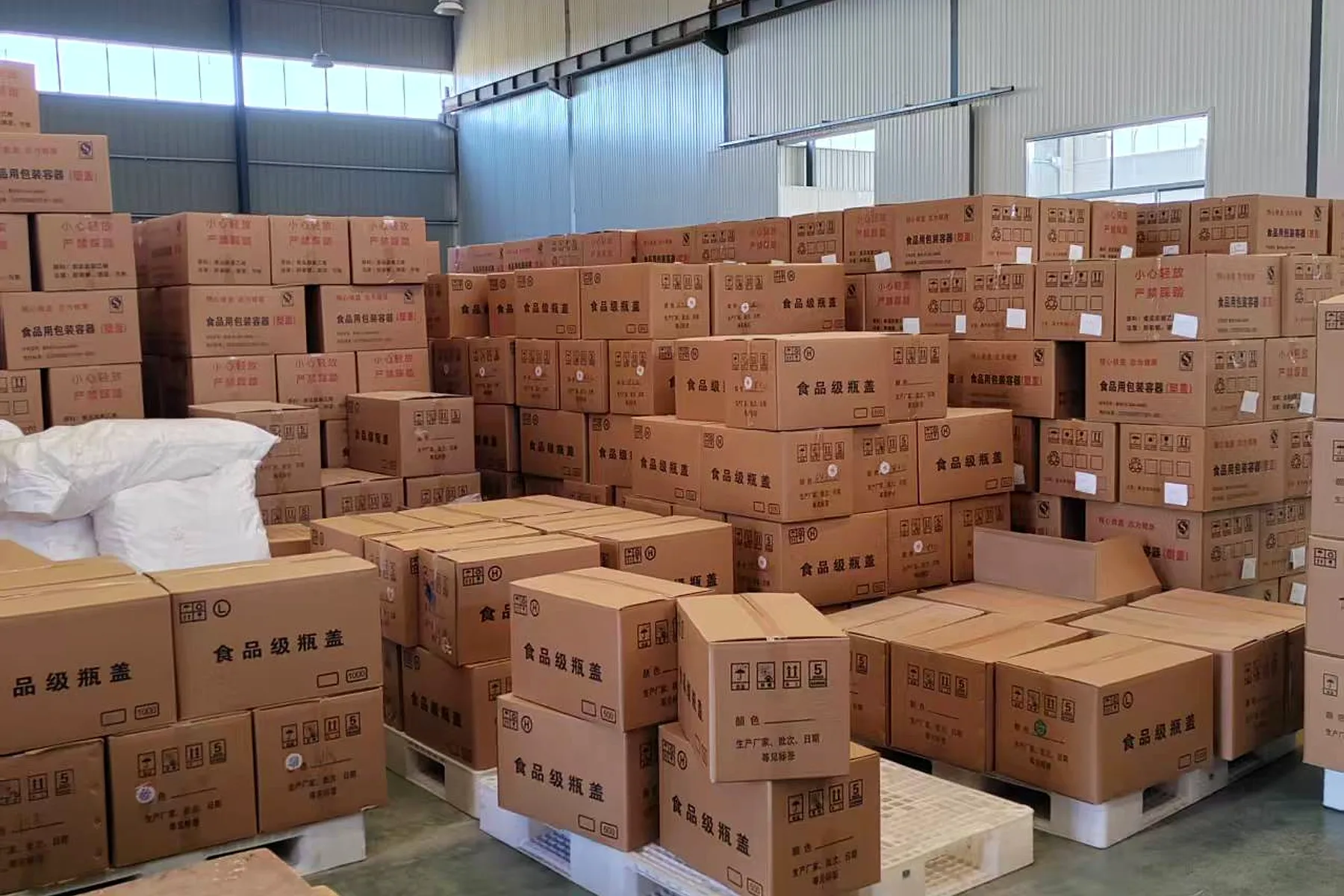
Finished stock is staged on the same site as the moulding floor, so a repeat order on an existing model does not wait for a production slot.

Finished-goods warehouse, palletised and staged
Output conveyor feeding the packing bay
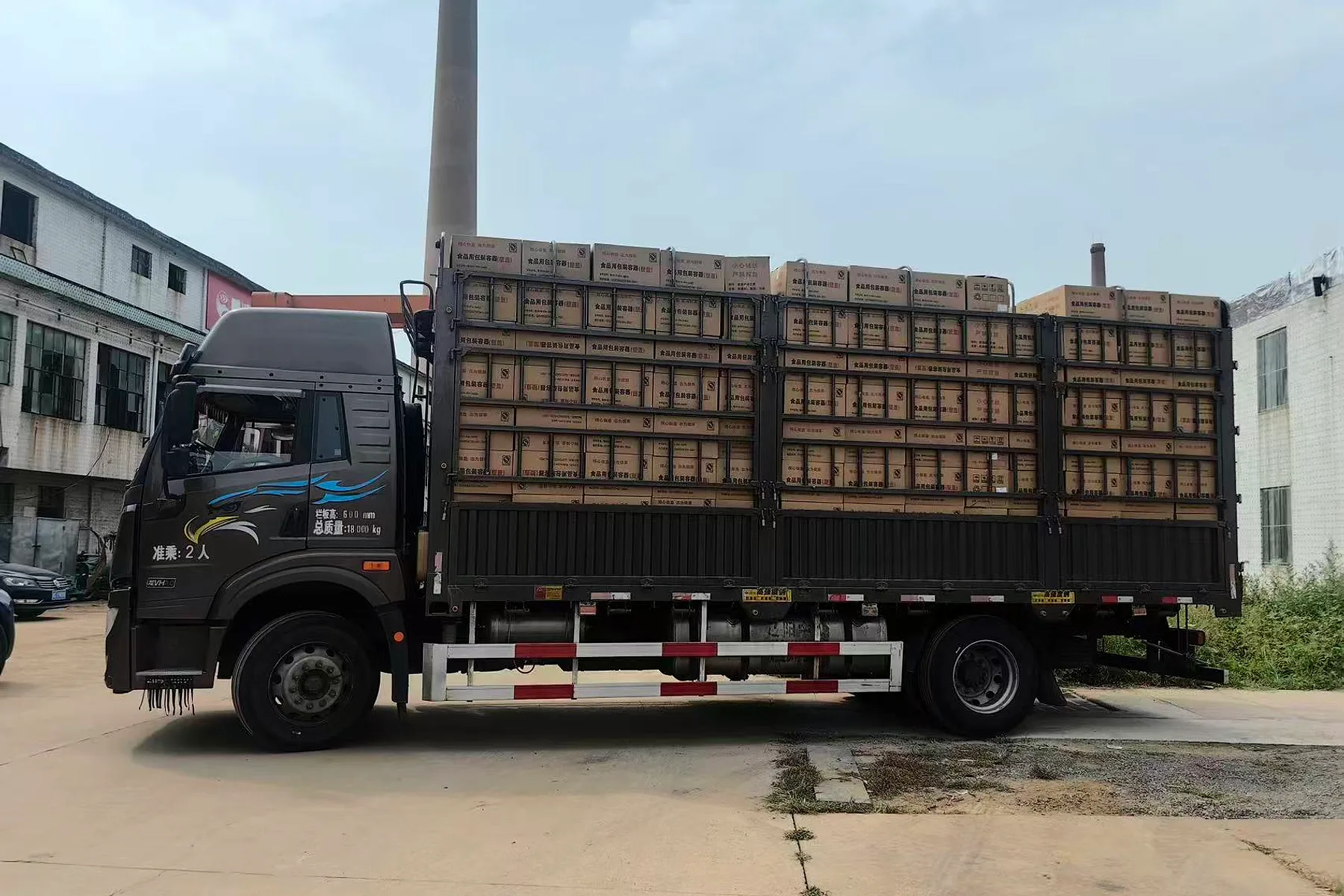
Loading out of the factory yard
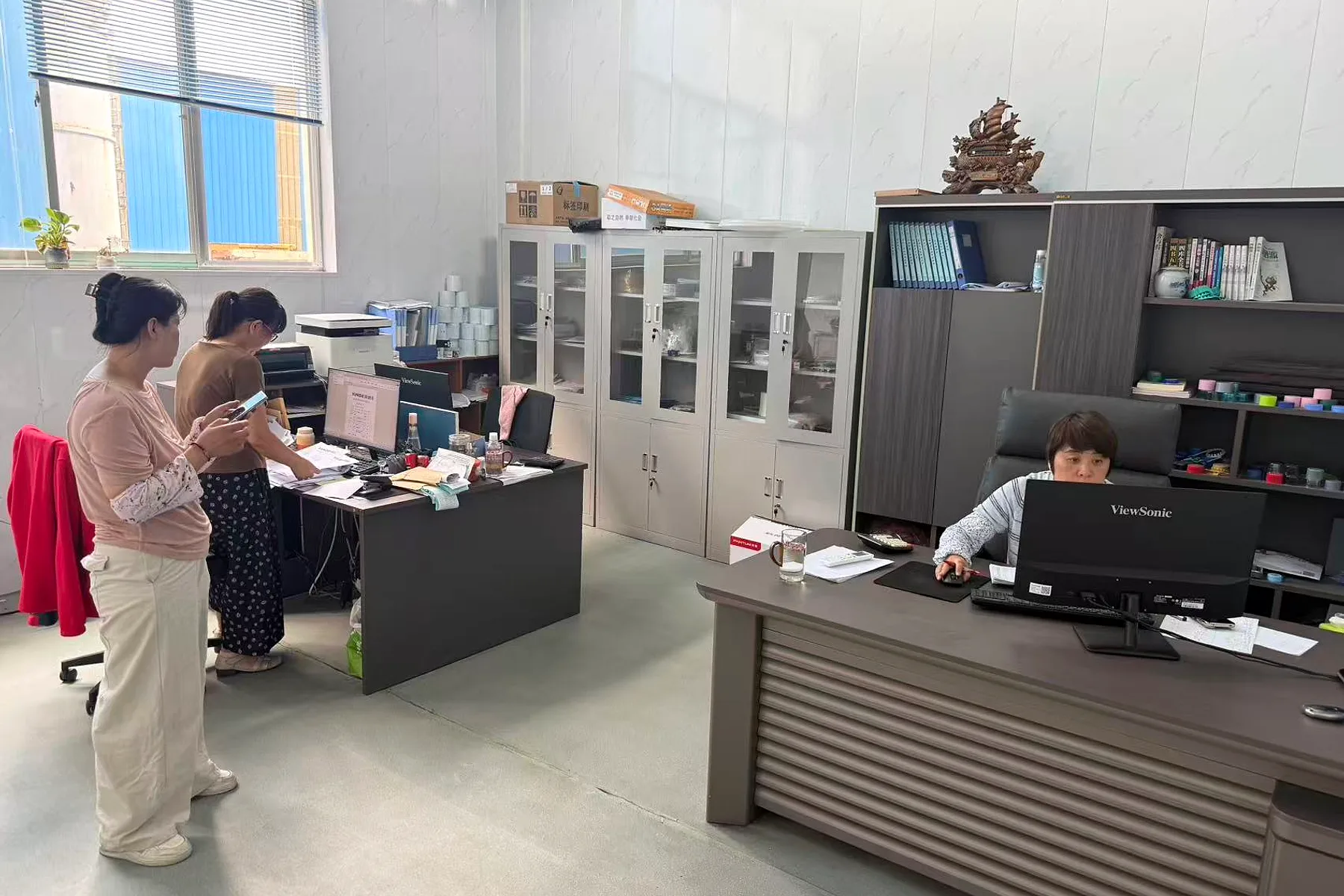
The sales office that answers your enquiry
WhatsAppEmail